


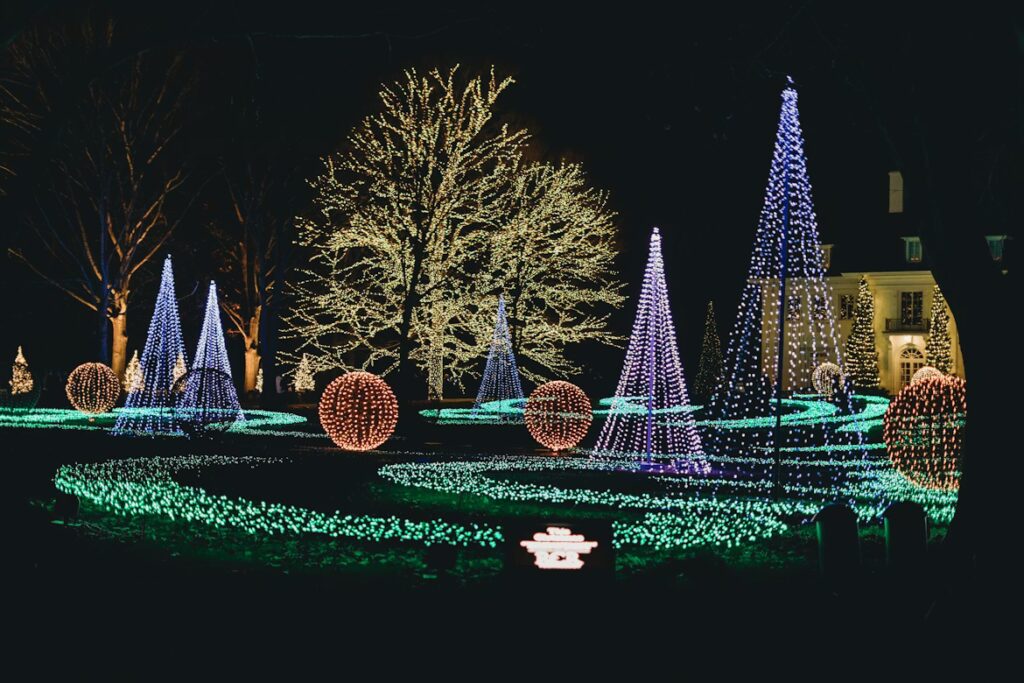
Can Christmas lights cause a fire? Decorating your home with twinkling lights is one of the most festive parts of the holiday season, but safety should always come first. While holiday lighting adds warmth and charm, it also relies on electrical components that can become hazardous if they’re damaged, overloaded, or used incorrectly.
Understanding how fire risks develop, such as through worn wiring, improper connections, or outdated light sets, helps homeowners make smarter choices when decorating. With the right precautions in place, you can enjoy the glow of the season while protecting your home and loved ones throughout the winter months.
Bright Ideas for Navigating This Guide
- What Makes Holiday Lights a Fire Risk?
- Real-Life Causes of Christmas Light-Related Fires
- When Should You Replace Your Holiday Lights?
- Fire-Safe Lighting Practices for Indoors and Outdoors
- Why Outdoor-Rated Lights and Equipment Matter
- Can Christmas Lights Cause a Fire in Artificial Trees?
- The Safer Alternative: Professional Installation
- Reducing Risk Without Dimming the Holiday Spirit

What Makes Holiday Lights a Fire Risk?
To answer the question, can Christmas lights cause a fire?, we need to look at what they’re made of and how they are typically used. While modern LED lights are safer than older incandescent bulbs, risks still exist.
Most Christmas lights use electrical wiring that, if damaged or improperly connected, can overheat. Add in flammable decorations, dry trees, or overloaded outlets, and you’ve got a perfect storm for potential disaster.
The U.S. Fire Administration reports hundreds of home fires each year caused by holiday decorations, and electrical lighting is one of the leading culprits. Even small mistakes like using indoor lights outside or plugging too many strands into a single socket can lead to sparks, melted wires, or worse.
Real-Life Causes of Christmas Light-Related Fires
It’s not just theory, there are real and common causes behind these incidents:
Damaged or Frayed Wires
Lights stored in attics, basements, or garages can degrade over time. Mice may chew wires, or insulation may crack. When current flows through these compromised wires, heat builds quickly.
Overloaded Circuits
Plugging too many light strings or decorations into a single outlet can cause overheating. Most homes aren’t equipped to handle large electrical loads on one circuit, leading to blown fuses or even electrical fires.
Using Indoor Lights Outdoors
Indoor lights are not weather-resistant. Rain, snow, or condensation can cause shorts or shocks. Make sure any exterior Christmas lighting is labeled as outdoor-rated by a recognized testing laboratory.
Poor Quality or Non-Certified Products
Cheap, off-brand light sets may not meet safety standards. Always look for certifications such as UL (Underwriters Laboratories) or ETL (Electrical Testing Labs).
Leaving Lights On Overnight or Unattended
Even high-quality lights can fail. Turning them off before bed or when leaving home reduces risk.
When Should You Replace Your Holiday Lights?
Can Christmas lights cause a fire if they’re old or outdated? Absolutely. Holiday lights aren’t designed to last forever, especially if they’re exposed to extreme temperatures, moisture, or rough storage conditions year after year. Over time, wiring can become brittle, insulation may crack, and bulbs can loosen, all of which increase the risk of electrical failure.
As a general rule, replace your lights every 3–5 seasons sooner if you notice any wear or performance issues. Look for signs like flickering, melting plastic, or strands that stop working intermittently. Investing in new, certified lighting is a simple step that can significantly reduce your risk during the holidays.

Fire-Safe Lighting Practices for Indoors and Outdoors
Taking a few extra steps can dramatically reduce your risk of fire:
- Inspect your lights annually. Toss anything with frayed wires, broken sockets, or loose connections.
- Use surge protectors for added safety, especially outdoors.
- Don’t connect more than three strands of lights together, unless specified otherwise by the manufacturer.
- Secure cords and lights properly to prevent tripping, tugging, or pulling.
- Use timers to ensure lights turn off at night or while you’re away.
By following these tips, you make your decorations not only beautiful but safe.
Why Outdoor-Rated Lights and Equipment Matter
Exterior decorations face snow, ice, and temperature shifts that indoor lights simply aren’t built to endure. Outdoor-rated Christmas lights have better insulation, sealed sockets, and durable materials to withstand the elements.
Similarly, extension cords used outside must also be rated for outdoor use. Indoor cords can crack or break when exposed to cold and moisture, creating yet another fire hazard.
If you’re installing lights in areas like rooftops, gutters, or large trees, consider hiring professionals for Christmas light installation in Paxtonia or other local areas. Not only do pros use the right materials, but they also know how to install everything safely and efficiently.
Can Christmas Lights Cause a Fire in Artificial Trees?
Can Christmas lights cause a fire when used on artificial trees? It might seem unlikely, but the risk is real especially when older or improperly used lights are involved. While artificial trees are typically made with flame-retardant materials, that doesn’t make them fireproof. Electrical malfunctions from the lights themselves are often the bigger concern.
For instance, using traditional incandescent bulbs, which generate heat, can raise the temperature of synthetic branches, particularly when lights are bundled tightly or wrapped too closely. If the tree is decorated with flammable ornaments or covered in synthetic materials like tinsel, the fire hazard increases further.
Another common cause is outdated wiring. Older light strings may not meet today’s safety standards and are more likely to have brittle insulation or exposed wiring. If these wires short out while resting against synthetic tree limbs, the resulting spark can cause melting or even ignition.
To reduce fire risks with artificial trees:
- Choose LED lights, which emit very little heat and use less electricity.
- Avoid over-wrapping the tree or running too many strands together.
- Inspect each string for cracked sockets, frayed cords, or missing bulbs before use.
- Keep decorations lightweight and fire-resistant, avoiding excessive fabric or paper ornaments.
- Never leave the lights on unattended, especially overnight or when leaving the house.
While artificial trees can offer convenience and longevity, they still require attention to safety. Being cautious with how you light and decorate them ensures your festive display doesn’t turn into a hazard.

The Safer Alternative: Professional Installation
One of the best ways to eliminate the guesswork and worry is by hiring a licensed team to handle your Christmas lighting. Professional installers use commercial-grade lighting, secure hardware, and GFCI-protected outlets to reduce electrical hazards.
Beyond that, they understand local codes and best practices, ensuring compliance with safety standards. With services like Christmas light installation in Harrisburg, you can enjoy a stress-free holiday season while minimizing fire risks.
Reducing Risk Without Dimming the Holiday Spirit
Can Christmas lights cause a fire? Yes, but only when they’re used improperly. Many holiday-related fires result from preventable issues like frayed wiring, overloaded circuits, or using the wrong type of lights outdoors.
The good news is that these risks can be managed with proper precautions. Inspect your light strings before each season, avoid plugging too many into one outlet, and use outdoor-rated products for any exterior displays.
Adding timers and surge protectors can also improve safety while maintaining convenience. With a little planning or the assistance of a professional installer you can enjoy a festive, beautifully lit home without putting your family at risk.


