


Garden trellis design is a smart starting point for creating an outdoor space that is both functional and visually engaging. By looking up literally and embracing vertical space, homeowners can add layers of interest while maximizing their available square footage.
A well-placed trellis acts as both a structural feature and a botanical canvas, encouraging plants to climb, twist, and bloom above ground level. Beyond its visual appeal, a trellis serves practical roles such as guiding plant growth, dividing garden zones, and supporting edible crops.
Whether you’re growing climbing roses for color and fragrance, training grapevines for a seasonal harvest, or simply aiming for a more dynamic and creative landscape layout, a custom trellis can transform your garden from flat to flourishing.
It adds vertical rhythm, enhances privacy in key spots, and helps keep ground-level beds more organized, making it an especially smart solution for small yards or urban outdoor spaces.
Mapping Out Your Vertical Garden Vision
- How Trellises Enhance Garden Architecture
- Creative Materials for Building Trellises
- Popular Trellis Styles That Inspire Vertical Landscapes
- Tools & Techniques for DIY Garden Trellis Construction
- Vertical Garden Ideas for Small or Urban Yards
- Outdoor Privacy Solutions Using Trellises
- Lighting Your Trellis for the Holidays
- Maintenance and Longevity Tips
- Designing with Height and Purpose
How Trellises Enhance Garden Architecture
Trellises serve as more than simple plant supports, they’re foundational architectural elements that define outdoor spaces, frame scenic views, and introduce a sense of rhythm and order to your garden’s overall layout.
A well-thought-out garden trellis design can turn blank walls or underutilized corners into flourishing vertical displays, creating dimension and layering that elevate the entire aesthetic. When strategically placed, trellises can border pathways to guide foot traffic, shield patios from harsh wind, or direct the eye toward a key focal point like a fountain, fire pit, or statue.
The flexibility of trellises also makes them ideal outdoor privacy solutions. A series of panels covered in thick vines or flowering plants can form natural screens, adding seclusion to balconies or backyard seating areas without the heaviness of a traditional fence.
If you’re interested in crafting your own setup, a DIY garden trellis project allows you to personalize size, shape, and materials to meet your specific needs, whether it’s supporting climbing vegetables or acting as a living wall. These custom creations can easily blend into various garden styles, from rustic cottage-inspired nooks to modern minimalist designs.
Incorporating geometric latticework, curved arches, or repurposed materials can enhance both form and function. Additionally, they serve as an excellent base for experimenting with vertical garden ideas, especially in smaller yards where maximizing vertical space is essential.
Creative Materials for Building Trellises
When it comes to crafting your own garden trellis, the materials you choose set the tone for its look and durability. Here are a few popular options:
Wood
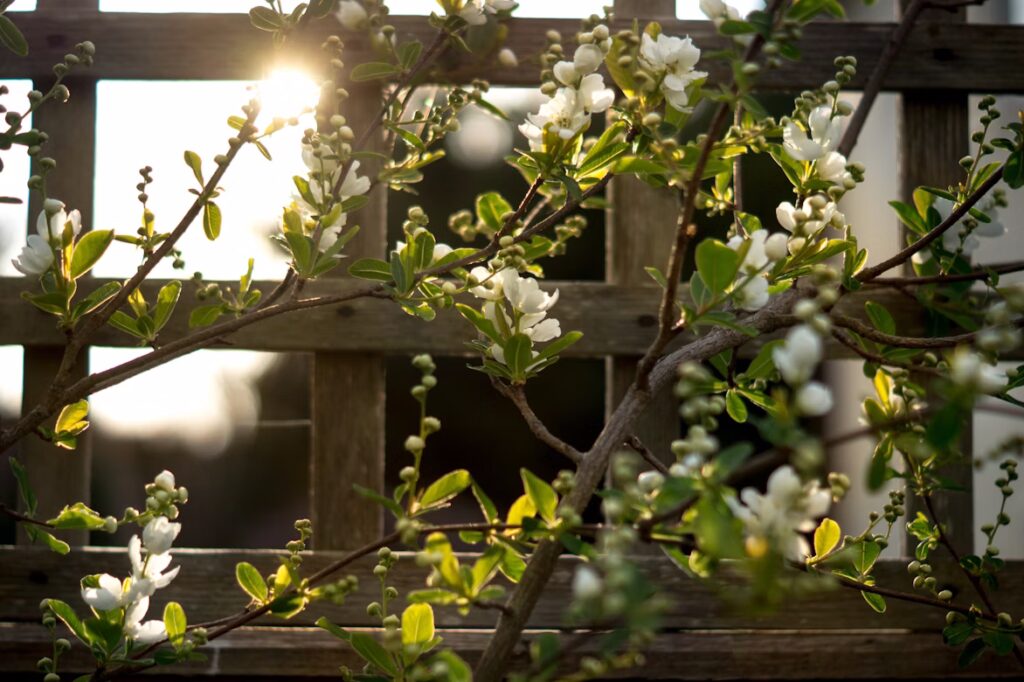
The classic choice. Cedar and redwood resist rot naturally and offer a warm, organic feel. With the right stain or paint, they can be styled to match modern or traditional exteriors.
Metal
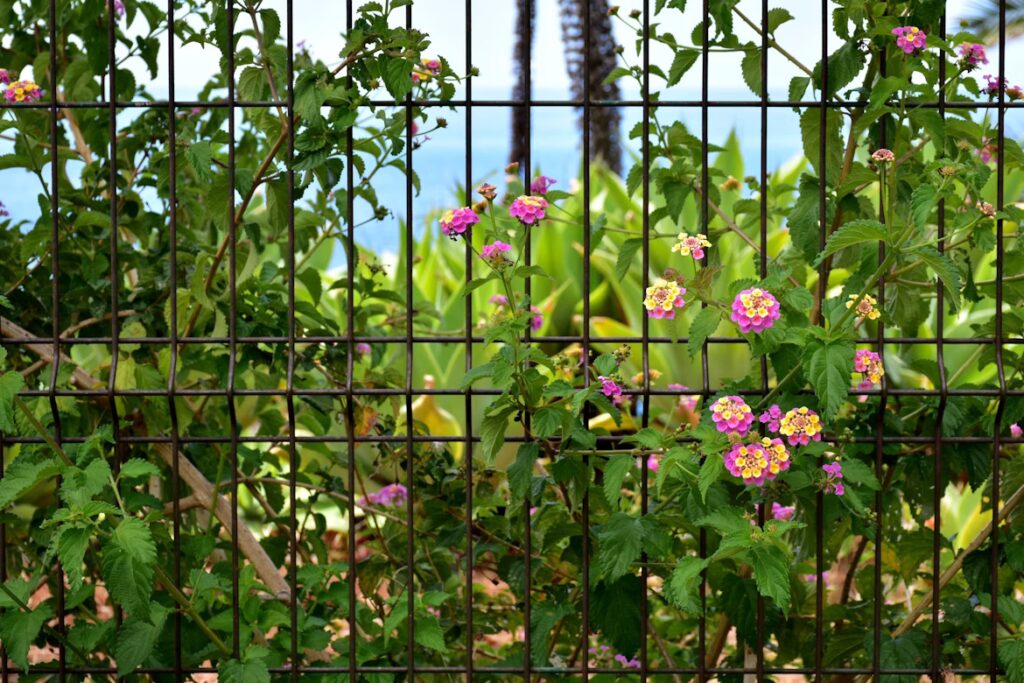
Steel or aluminum offers a sleek, industrial edge. Powder-coated metal lasts longer outdoors and pairs well with contemporary garden designs. It also handles heavier climbing plants like wisteria or grapes with ease.
Bamboo
Lightweight and sustainable, bamboo lends itself to Zen or tropical themes. It’s easy to lash together and particularly suited for informal or DIY projects.
Recycled Materials
Old window frames, pallets, or bicycle wheels can become charming trellises with a bit of creativity and craftsmanship. These also support eco-friendly landscaping goals.
Popular Trellis Styles That Inspire Vertical Landscapes
Choosing the right trellis style can dramatically influence the atmosphere and visual appeal of your garden. Whether you’re designing a small courtyard or a sprawling backyard, matching the form of your trellis to your garden’s theme enhances cohesion and charm.
Arched trellises are a classic choice, often used to create welcoming entryways or frame garden paths. They add an air of romance and are ideal for supporting climbing roses or honeysuckle.
For a more structured, formal aesthetic, grid trellises with clean vertical and horizontal lines provide an organized backdrop for vines or vegetables. These pair well with symmetrical garden layouts and are perfect for incorporating into DIY garden trellis projects due to their straightforward design.
Fan trellises, which spread upward in a widening shape, bring an artistic touch and are excellent for showcasing plants with dramatic foliage or blooms. If you’re after a more rustic or whimsical vibe, obelisks freestanding pyramid-shaped trellises can become focal points themselves, drawing the eye upward and breaking up horizontal garden planes. These work especially well in beds or large containers.
Finally, panel trellises offer flexibility for creating walls of greenery and are widely used in outdoor privacy solutions. By linking several panels together or spacing them strategically, you can build customized screens that also double as supports for a variety of climbers. These designs not only inspire beautiful vertical displays but also lay the groundwork for creative vertical garden ideas, making every inch of your outdoor space count.
Tools & Techniques for DIY Garden Trellis Construction
Building a DIY garden trellis doesn’t require professional-grade tools, but a few essentials will make the job easier and the result sturdier:
- Saws (hand saw or circular saw) – for precise cuts
- Power drill – for assembling frames securely
- Screws or galvanized nails – rust-resistant fasteners for long life
- Level and measuring tape – to ensure symmetry and stability
- Posthole digger – if your trellis will be anchored in the ground
A simple trellis can be made from two vertical posts connected by horizontal crossbars, but more complex styles might involve angled braces, curved tops, or multiple panels. Assembly can usually be done in a weekend, depending on size and intricacy.
Vertical Garden Ideas for Small or Urban Yards
For those with limited space, vertical gardening offers a smart and stylish way to bring more greenery into compact outdoor areas. By growing upward instead of outward, gardeners can cultivate lush displays and productive plantings without sacrificing valuable ground space.
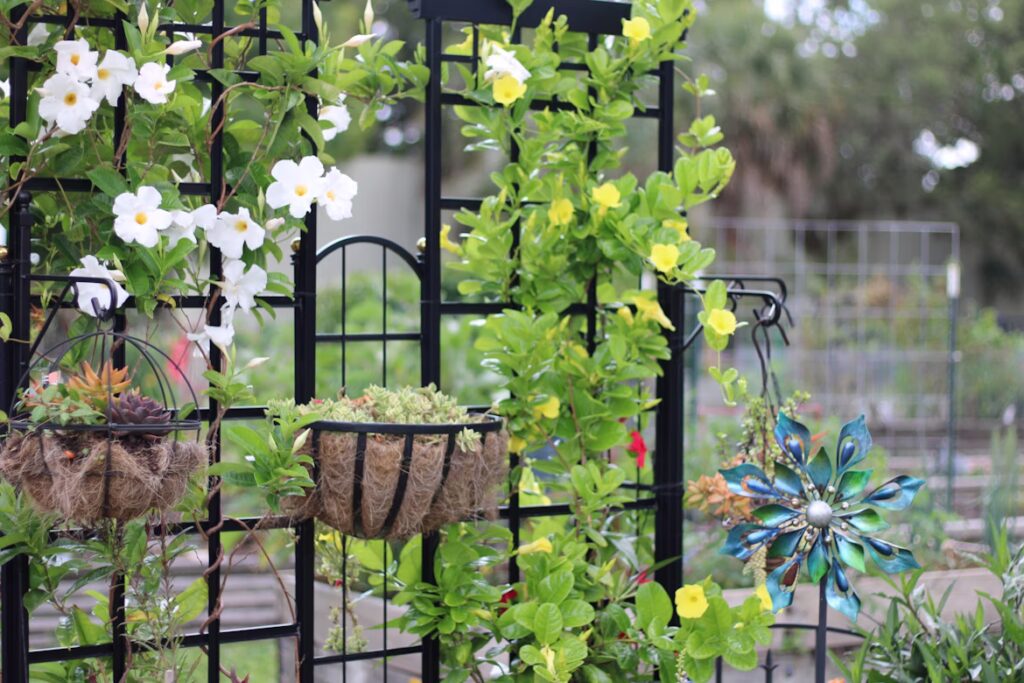
A custom garden trellis design plays a key role in this strategy, serving as a support structure for everything from flowering vines to edible crops like peas, tomatoes, or even strawberries. One approach to vertical gardening is to integrate hanging planters directly into the trellis grid.
These planters can be staggered at varying heights to create layers of color and texture, perfect for cascading flowers or trailing herbs. Another option is to incorporate tiered shelving onto the trellis frame, allowing for neat rows of potted plants such as basil, mint, or succulents.
This setup not only conserves space but also makes plant care more accessible and visually organized. In urban settings, where traditional yards may be unavailable, modular panel systems offer a creative solution. These panels can be attached to balconies, exterior walls, or even fences, providing a flexible base for a wide range of planting styles.
For a more dramatic effect, living walls constructed from felt pouches or repurposed plastic bottles can be mounted onto trellis backings to create vertical tapestries of greenery. These kinds of vertical garden ideas are especially useful in cities where lawns are scarce but creativity thrives.
Not only do they add visual interest to small patios and courtyards, but they also improve air quality, soften hard scapes, and contribute to cooler microclimates by reducing heat absorbed by brick or concrete surfaces. Vertical gardening with trellises is not just a space-saving measure, it’s a way to turn even the smallest footprint into a lush, functional sanctuary.
Outdoor Privacy Solutions Using Trellises
Trellises provide a softer, greener alternative to traditional fencing, especially when grown with dense foliage. They work beautifully to divide garden rooms, conceal utility boxes, or block views from neighboring windows.
If privacy is a priority, opt for plants like:
- Clematis – fast-growing with vibrant blooms
- Honeysuckle – fragrant and thick-leaved
- Evergreen jasmine – retains leaves year-round
- Trumpet vine – vigorous and dramatic
To ensure year-round coverage, combine deciduous climbers with evergreen varieties. This layering offers shade and seclusion without sacrificing style.
Trellis panels can be arranged in L- or U-shaped layouts to form a secluded nook or patio. These designs also pair well with pergolas and arbored walkways, expanding your outdoor living space.
Lighting Your Trellis for the Holidays
Once your trellis is in place and full of life, it can become a backdrop for seasonal displays. For example, in winter, wrapping it with LED lights transforms it into a glowing centerpiece for your garden. This is where you can really add festive magic.
If you’re in the Harrisburg area, consider scheduling a holiday light installation in Harrisburg to professionally illuminate your trellis structure. Not only does this enhance your curb appeal, but it also gives you peace of mind that your outdoor display is safe and weatherproof. For those beyond Harrisburg, a professional Christmas Light Installation can help ensure your garden features shine brightly all season long.
Lights can be woven through lattice panels, draped like garlands, or shaped into stars and snowflakes to suit the season. For a more permanent solution, solar string lights can provide ambiance year-round without the need for wiring.

Maintenance and Longevity Tips
To keep your trellis sturdy and looking fresh, consider the following maintenance routines:
- Annual sealing or staining (for wood) to resist moisture and UV rays
- Rust checks and repainting (for metal) to prevent corrosion
- Tightening joints and checking fasteners, especially after storms
- Cleaning with a soft brush and mild soap to remove algae or mildew
Regular upkeep ensures your trellis remains not only a strong support for plants but also a standout feature of your garden. For wood trellises, placing the base on a gravel bed or concrete pavers can extend life by reducing moisture exposure.
Smart Trellis Placements for Maximum Impact
The placement of a trellis is just as important as its structure and materials. Strategic positioning not only enhances your garden’s aesthetic but also improves plant health, privacy, and usability of the space.
- Against a Fence or Wall
Mounting a trellis to a fence or exterior wall can soften hard surfaces and encourage vertical growth where space is limited. It’s especially useful for adding charm to side yards or blank garage walls. - As a Garden Divider
Freestanding trellises can be used to segment your yard into “rooms,” such as separating a dining area from a play space or vegetable patch. This creates flow and organization in larger landscapes. - Near Entryways or Arches
Placing a trellis at the entrance to your garden or patio area acts as a visual invitation. Covered in blooms or greenery, it adds drama and curb appeal from the moment guests arrive. - Beside Raised Beds or Planters
Installing trellises adjacent to raised beds helps climbing vegetables like cucumbers, beans, and peas grow upward, maximizing planting space and simplifying harvest. - Around Seating Areas
Positioning trellises near benches or pergolas enhances privacy and offers a sense of enclosure. With the right plants, it can also add fragrance and shade to your favorite outdoor nook.
Thoughtful placement helps transform a simple garden trellis design into an architectural feature that adds both beauty and function. Whether you’re aiming to frame views, create privacy, or just get creative with your layout, smart positioning makes all the difference.
Designing with Height and Purpose
Embracing garden trellis design means introducing an entirely new layer of interest to your outdoor space. By thinking beyond ground-level planting and using vertical structures, homeowners can maximize limited space while creating a more dynamic garden layout.
Even modest yards can feel more expansive and intentional when vertical elements are used to guide the eye and organize plantings. Whether you’re experimenting with a DIY garden trellis or working alongside a landscape professional, vertical features add rhythm, texture, and structure to the garden.
Trellises go far beyond supporting climbing plants, they help define outdoor zones, frame views, and create seasonal focal points. In cooler months, they can be repurposed for decorative lighting or seasonal arrangements, offering flexibility throughout the year. When used thoughtfully, a trellis becomes an integral part of the landscape that supports both function and design across all seasons.


