


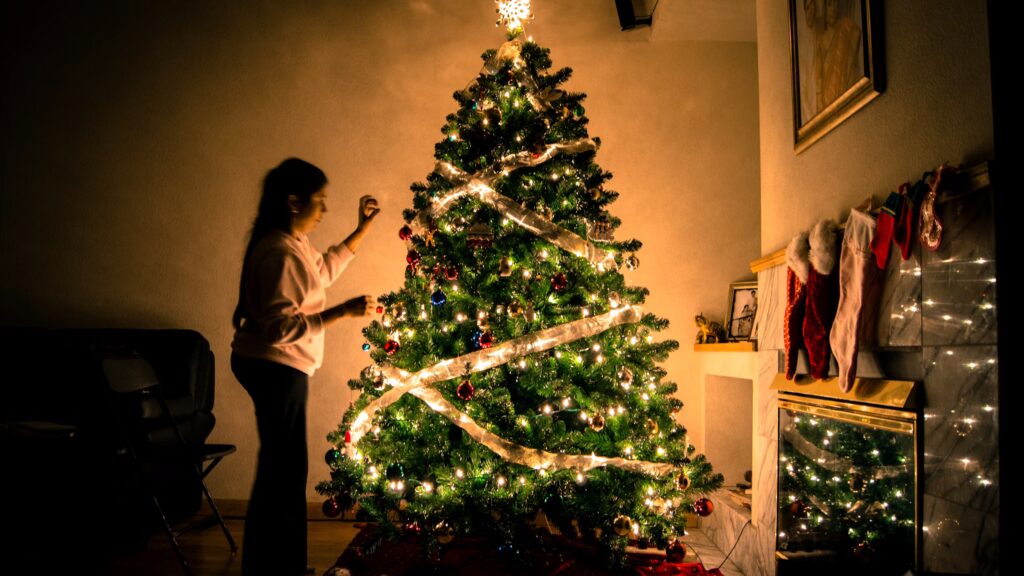
How to put lights on a Christmas tree may seem simple, but achieving that picture-perfect holiday glow takes more than just plugging in a few strands. Decorating your tree is one of the season’s most cherished traditions, yet it often comes with frustration from tangled wires to uneven lighting. Whether you’re drawn to timeless white lights or festive multicolored bulbs, the technique you use matters.
In this in-depth guide, you’ll learn how to choose the best lights, prep your strands, and wrap them with care to create depth and visual harmony. We’ll also cover common mistakes, expert lighting tips, and how your tree’s glow connects to the bigger task of illuminating your entire home for the holidays.
A Clear Path to a Beautifully Lit Christmas Tree
- Choosing the Right Type of Lights for Your Tree
- Testing, Sorting, and Prepping Light Strands
- How to Weave Lights for Depth and Balance
- Layering Tips for Different Tree Sizes and Styles
- Common Lighting Mistakes and How to Avoid Them
- How Christmas Tree Lighting Reflects Your Whole Holiday Setup
- Why Professionals Handle Outdoor Lighting Best
- Where Tree Lighting Fits in the Big Picture

Choosing the Right Type of Lights for Your Tree
The first step to success is selecting the lights that best suit your tree and style. While many people focus on color (white vs. multicolor), other factors are just as important:
- Bulb Type: LED lights are energy-efficient, stay cool to the touch, and last longer. Incandescents offer warmer tones but use more electricity.
- Bulb Shape & Size: Mini lights are best for a delicate glow, while larger C7 or C9 bulbs create bold, vintage-inspired ambiance.
- Wire Color: Choose green for traditional trees or white for flocked or white trees to keep wires hidden.
- Twinkle Options: Static lights create a classic look, but twinkling or fading effects add visual interest.
Knowing this early helps you buy the right quantity and avoid mismatched strands.
Testing, Sorting, and Prepping Light Strands
Before decorating begins, taking time to prepare your lights can save a lot of frustration later. Knowing how to put lights on a Christmas tree properly starts well before the strands ever touch the branches.
Plug in every strand and let it run for a few minutes to check for bulbs that don’t light up or sections that flicker. Catching these issues early prevents having to remove and rewrap lights once the tree is already decorated.
As you test each strand, inspect the wires and plugs closely. Small cracks, exposed wiring, or loose connections can affect how evenly the lights work and may pose safety concerns. Sorting the strands as you go is equally important.
Grouping lights of the same color, brightness, and style together helps maintain a consistent look across the tree and avoids noticeable variations once everything is turned on.
Once tested and sorted, fully untangle each strand and lay them out in an organized way. This makes them much easier to manage during installation and reduces the risk of knots or uneven spacing.
Separating strands by length is especially helpful, since longer strands can be used to wrap the wider lower sections of the tree, while shorter ones are better suited for the top. This simple preparation step creates a smoother decorating process and sets the foundation for a balanced, professional-looking holiday display.
Creating That Magazine-Worthy Look: How to Put Lights on a Christmas Tree
Now let’s talk about how to put lights on a Christmas tree with professional-looking results.
Start From the Bottom (or Top)
Both directions are acceptable, but most decorators start at the base and work upward. This gives you easier control over spacing and tension.
Use the “Weave and Tuck” Method
Instead of wrapping lights around the outer edges, push the strands deep into the branches:
- Weave in and out between the interior trunk and branch tips.
- Tuck bulbs slightly inside to create depth.
- Pull out periodically to ensure coverage is even.
This method ensures the tree glows from the inside out, rather than just being lit like a garland.
Keep It Even
As you wrap, take a step back every so often to spot dark areas or overcrowded spots. A good rule of thumb is 100 lights per foot of tree height but adjust based on bulb type and density preference.
Tips for Trees of All Shapes and Sizes
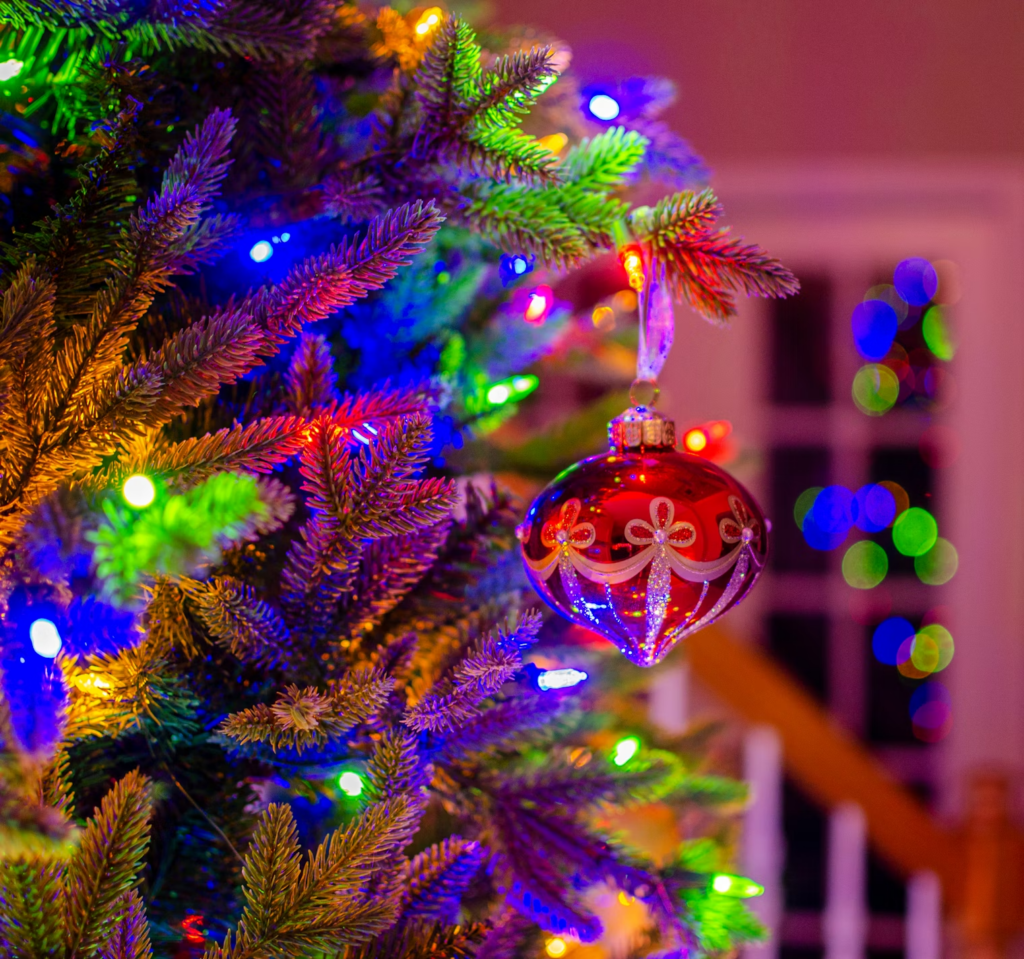
Understanding how to put lights on a Christmas tree also means adjusting your approach based on the tree’s shape, size, and type. Not all trees are the same, and lighting them effectively requires a few thoughtful modifications.
For tall, narrow, or pencil-style trees, mini lights or small LEDs are often the best choice. These trees have less space between branches, so using oversized bulbs can easily overwhelm the silhouette and make the lighting appear cluttered rather than elegant. If you’re working with a fuller or wider tree, there’s more room to get creative.
One effective strategy is to layer two different types of bulbs placing mini lights deeper within the branches for a soft, glowing core, and using slightly larger bulbs toward the outer tips to add contrast and dimension. Another great technique is to hang strands vertically from top to bottom, which creates a shimmering cascade effect and adds visual interest from every angle.
Incorporating hanging Christmas lights in this way can elevate the overall display dramatically. Real trees present their own unique considerations. Since live needles are sensitive to heat, it’s essential to use lights that stay cool, like LEDs, to prevent browning or premature drying.
Gently testing strand placement before final wrapping also helps avoid catching bulbs on sticky sap or dense, uneven branches. With just a few adjustments based on your tree’s style, you can ensure the lighting looks natural, balanced, and stunning from every view.
Mistakes to Avoid When Lighting a Christmas Tree
Even seasoned decorators can fall into a few traps. Here are common mistakes and how to steer clear of them:
- Skipping the Test Step: Always test strands before putting them up.
- Wrapping Too Tightly: This puts stress on the branches and makes teardown harder.
- Neglecting the Back: Even if your tree is against a wall, light the back for ambient glow and visual balance.
- Using Mismatched Bulbs: Mixing warm white and cool white bulbs can clash unless it’s intentional.
Your Tree Reflects the Whole Holiday Scene
Think of your Christmas tree as the centerpiece of a much bigger holiday canvas. When done well, Christmas tree lighting sets the tone for the entire atmosphere inside and outside your home.
As you move from decorating the tree to stringing lights on railings, eaves, bushes, and walkways, you’ll notice that exterior setups demand more planning, safety equipment, and electrical considerations. Unlike your tree, your home’s outdoor lighting has to withstand weather, elevation, and sometimes complicated rooflines.
For instance, those living in Central Pennsylvania know the challenges of icy December mornings and sloped rooftops. That’s where hiring professionals makes all the difference.

When to Call in the Pros for Exterior Lighting
While lighting your tree is manageable for most, outdoor displays are a different story. Hiring a professional lighting team means:
- Guaranteed Safety: No ladders or roof climbing for you.
- Even, Balanced Layouts: Avoid clumps, tangles, or flickering patches.
- Custom Design: Whether it’s a symmetrical roofline or a magical tree wrap, pros create a polished look.
For example, residents looking for Christmas lights installation in Harrisburg can work with seasoned teams that understand how to light up historic homes, brick façades, and steep gables with precision and flair.
And if you live further southeast, professional Christmas light installation in Lancaster means you’ll get customized lighting plans that align with traditional or modern architectural styles all without ever pulling a strand from storage.
Why It’s Worth the Effort
Learning how to put lights on a Christmas tree isn’t just about making your tree look nice. It’s about crafting a holiday experience that welcomes family, guests, and neighbors into a warm, festive environment.
Done thoughtfully, your tree becomes the glowing heart of the season a symbol of care and celebration.
From testing each strand to weaving the lights with intention, to ensuring your exterior lighting matches the beauty inside your home, holiday lighting is equal parts art and tradition. If you’re ready to take the glow beyond the tree, professionals are ready to help light the way.


